
Help within reach
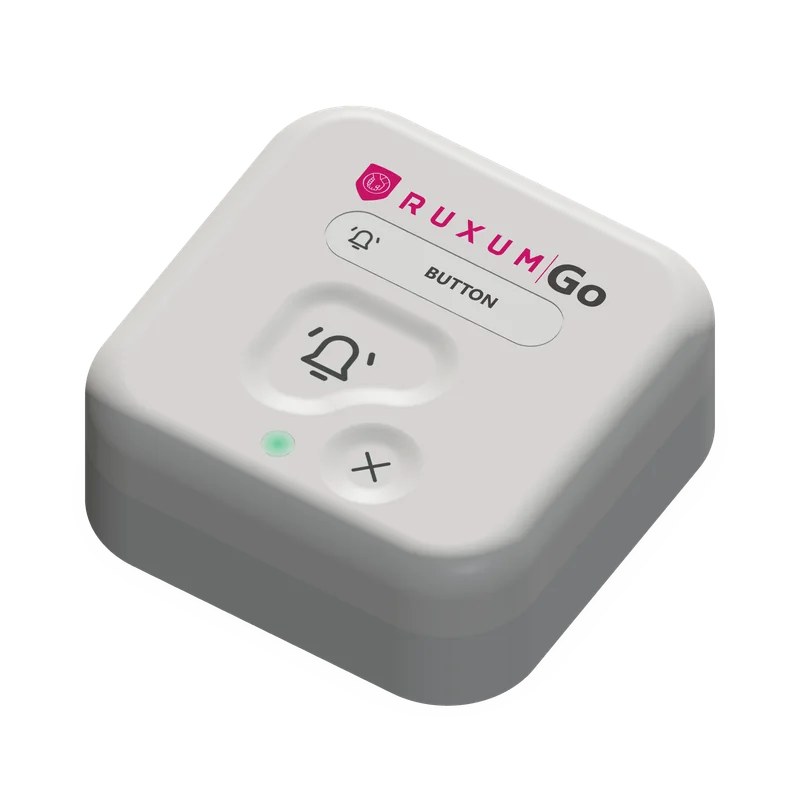
Go Button
A simple physical button designed to help someone ask a trusted person for support, without navigating a phone.
For reaching family or caregivers, rather than an ambulance-dispatch service.
Ask about Go ButtonThe right care product starts with understanding the person—their daily routines, comfort, home and support network. Explore practical options for everyday care, and talk to Ruxum about the needs you’re trying to address.
Small, rechargeable devices designed around everyday needs: asking for help, noticing a water leak and keeping a familiar routine.
Help within reach
A simple physical button designed to help someone ask a trusted person for support, without navigating a phone.
For reaching family or caregivers, rather than an ambulance-dispatch service.
Ask about Go Button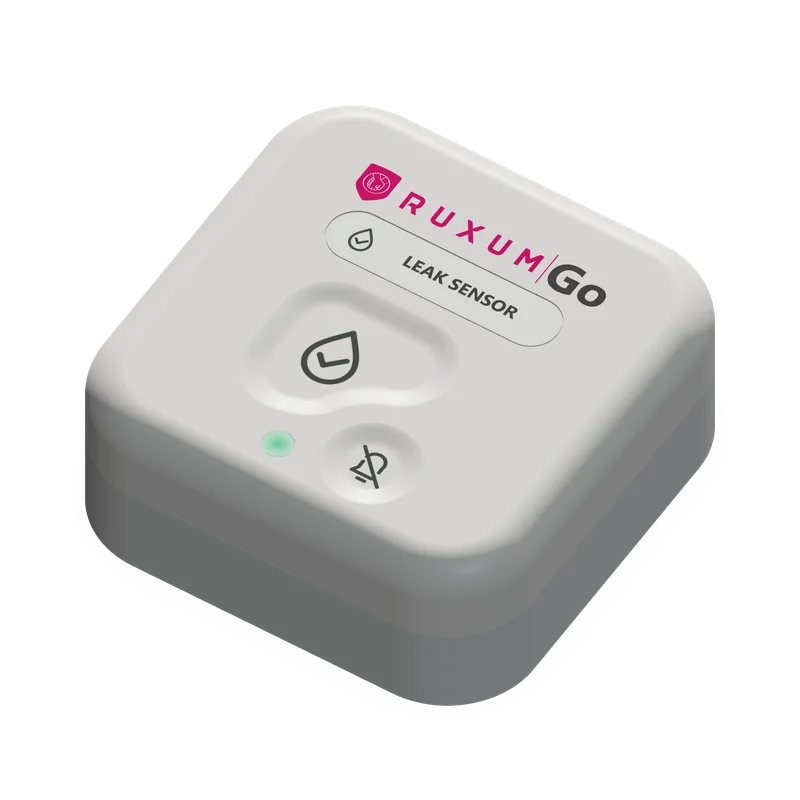
Notice water leaks
A compact sensor designed to flag water where it shouldn’t be, around a sink, bathroom or appliance.
Ask about Go Leak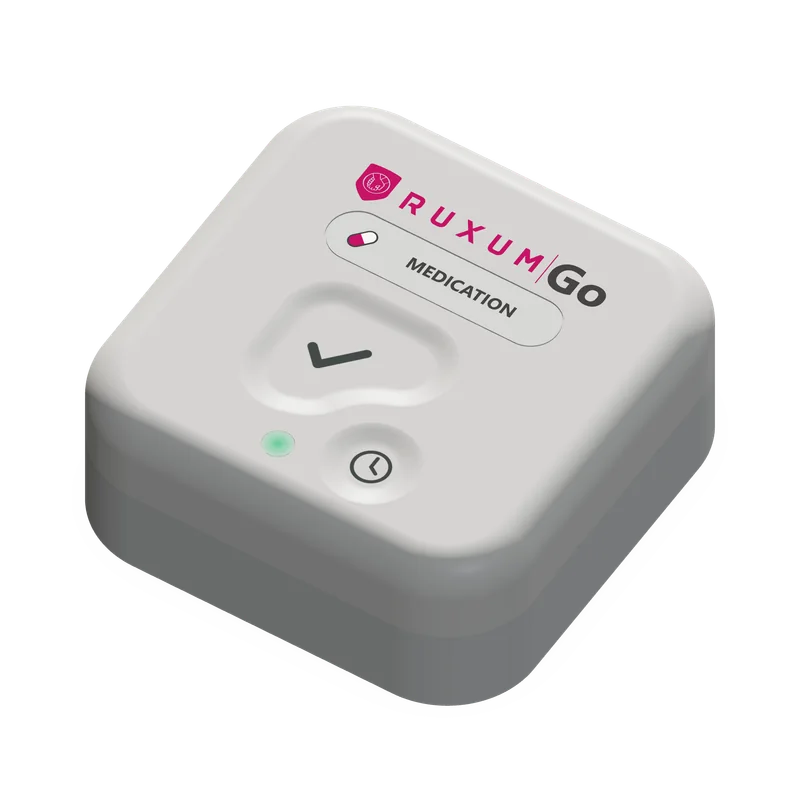
Support a familiar routine
A medication check-in button designed to make reporting a daily routine a simple, familiar action.
Records the person’s check-in; it does not dispense medicine or verify that a dose was taken.
Ask about Go MedsRuxum Go product design renderings.
Our recommendations take into account the person’s needs, the difficulties they face day to day, and the family or caregivers supporting them.
Start with the challenges the person and their caregivers are facing—organizing medicines, asking for help, moving around the home or managing a daily routine.
Look at how the product works in everyday use, the evidence behind its claims, and what it takes to set up and maintain. Clear instructions and dependable support matter too.
Consider their preferences and abilities, the home environment, products already in use and the people available to help. Several needs may need to be considered together.
Explain why the product could help, what to consider and any support it needs. The choice stays with the person and those caring for them.
Sometimes the right solution is already available from Amazon or another retailer. What matters is how well it addresses the person’s needs.
We select and adapt care products to work with Ruxum, connecting useful information from those products with the person’s everyday care.
Start with what is already helping. A familiar pill organizer, walking aid or other support may remain the right choice—without buying something new.
Choosing a product is only the start. Think about how it will fit into the person’s routine and who can help keep it ready.
Help the person feel comfortable using the product. Keep instructions and useful contact details easy to find.
Know who will check batteries, supplies, cleaning or servicing, following the product’s instructions.
Agree who will notice a problem, respond to an alert or help when the person’s needs change.
Pill boxes, timed dispensers, and simple daily medication aids that help families support medication routines.
Start with a clear medicine-organization plan.
Request optionsDevices such as emergency buttons that can support urgent-help workflows for seniors who may not always be near the phone.
Request optionsOptions to discuss with a qualified professional for mobility support and home access, matched to the person and setting.
Request optionsSmall, practical products that reduce friction around hydration, meals, medication storage, or daily independence.
Connect practical support to the family's daily routines.
Request optionsExplore the Legacy Ruxum Pendant: how it worked, its original features and its place in Ruxum’s history. The original website and articles remain accessible as historical material, separate from today’s app and product availability.
Tell us about the person, the challenges they face and what is already helping. We can discuss suitable options, product availability and the connections you need.
Not sure where to start? Use the family readiness checklist to guide the conversation.